




Closing the Connection Gap

Social isolation and loneliness are more common for people with disability than many realise. People with disability aged 15–64 are twice as likely to experience social isolation as those without disability, and nearly 3 in 10 experience loneliness, which is almost double the rate of the general population. It is highest amongst people with psychosocial disability, where nearly half report feeling lonely.
Social isolation is not simply about spending time alone. For many people with disability, barriers can affect their ability, confidence or opportunity to participate in everyday life and maintain meaningful connections.
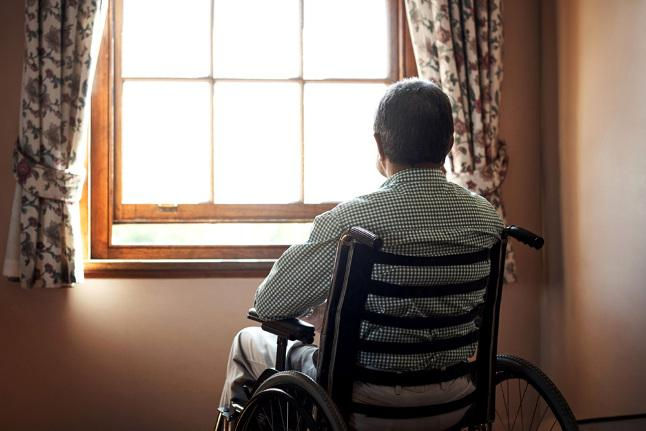
Multiple factors can contribute to social isolation and loneliness, and often these factors layer on top of each other. These may include physical limitations, communication difficulties, anxiety, depression, lack of accessibility or limited informal support networks. Each additional layer can make returning to the community that much harder.
For example, a client with severe anxiety may withdraw from social contact, leading to isolation and loneliness. Over time, reduced activity can lead to poor endurance, which then impacts their mobility and makes re-engaging even harder.
Signs that someone may be socially isolated include:
Withdrawing from activities they used to enjoy
Avoiding social situations
Increased irritability
Low mood or low motivation
Spending more time alone than usual
Because these barriers are often intertwined, addressing them may require a multidisciplinary approach. As an example;
Speech Pathology helps clients build the communication skills and confidence to engage in conversations and social situations.
Occupational Therapy provides graded steps and opportunities to engage in social activities, while helping clients develop emotional regulation skills and tools for healthy coping.
Physiotherapy supports clients to build the strength, endurance and mobility required to manage the physical demands of social and community activities.

Closing the connection gap is not about defining what being social should look like. Meaningful connection is different for everyone. It might mean returning to a favourite activity, feeling confident enough to participate in the community, or simply being better able to maintain important relationships.
If you or someone you know is experiencing social isolation, our allied health team can help identify the barriers to participation and support practical steps towards greater connection.


Comments