




Moments Matter: Addressing Loneliness for People with Disability

This Loneliness Awareness Week (4–10 August 2025), the theme “Moments Matter” reminds us that even the smallest, most ordinary moments — a smile from a neighbour, a phone call, being greeted by name — can have an extraordinary impact. For people living with disability, these moments can be harder to come by, but they’re no less vital.

Understanding Loneliness: A Hidden Barrier
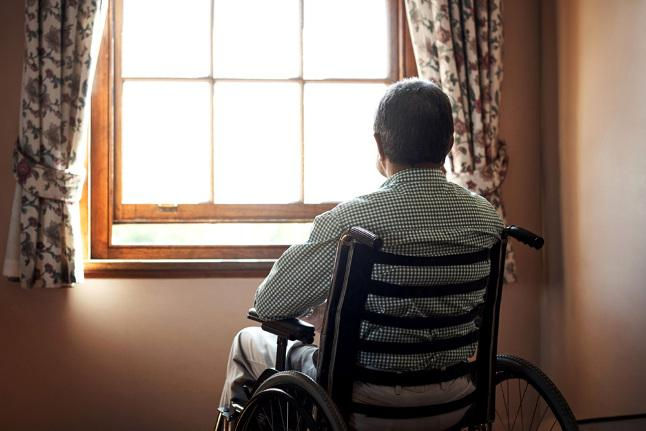
Loneliness isn't just being alone. It’s the ache of disconnection — the feeling of not being seen, understood, or included. According to Ending Loneliness Together, one in four Australians experience persistent loneliness. For individuals with disability, this is often compounded by physical, social, or communication barriers that limit access to community life.
It’s not uncommon for people with disability to want social contact, but not know where to start. Community spaces may not feel welcoming. Conversations may be difficult to join. Transport might be inaccessible. And when others don’t take time to understand or include, the result can be silence — and sustained isolation.
What You Can Do (Even If You’re Not a Clinician)
You don’t need to be a professional to help someone feel seen or valued. Here are small ways anyone can contribute:
Start with one moment. A “hello” or asking someone how their day is going can open a door.
Be patient with communication. Whether someone speaks, signs, or uses a device, give them time. Respond as you would with anyone else.
Notice patterns. If someone you know seems withdrawn or is no longer attending regular activities, gently check in.
Support shared interests. Hobbies, local groups, and routines provide structure for connection. Can you invite someone along?
Don’t assume. Ask what someone enjoys, what makes them feel included, and what support (if any) they’d like.
You don’t have to fix loneliness. Sometimes just showing up is enough.
How Allied Health Professionals Can Help
When support is needed, allied health professionals can offer tools to navigate or reduce loneliness — particularly for those living with disability.
Occupational Therapists (OTs)
OTs help individuals build the skills, confidence, and access needed community participation. This might include exploring goals around friendships, leisure, or volunteering, and helping a person overcome any practical barriers.
Speech Pathologists
Speech Pathologists support people in expressing themselves, connecting with others, and being heard — whether verbally, with AAC, or with the help of technology. Communication is a gateway to belonging.
These clinicians don’t create connection — but they help remove the obstacles that get in its way.
What We’ve Learned at All Round Therapy Services
At ARTS, we’ve seen that inclusion can’t be prescribed — it has to be built, moment by moment. Our team works alongside individuals of all ages to strengthen not just skills, but confidence, autonomy, and access to meaningful community life.
But Loneliness Awareness Week isn’t about services — it’s about all of us. Whether you’re a parent, support worker, educator, neighbour, or simply someone who cares — you have the power to help reduce loneliness through connection.
Let’s not wait for the perfect words or the perfect time. Let’s focus on the moment in front of us. It matters more than we realise.


Comments